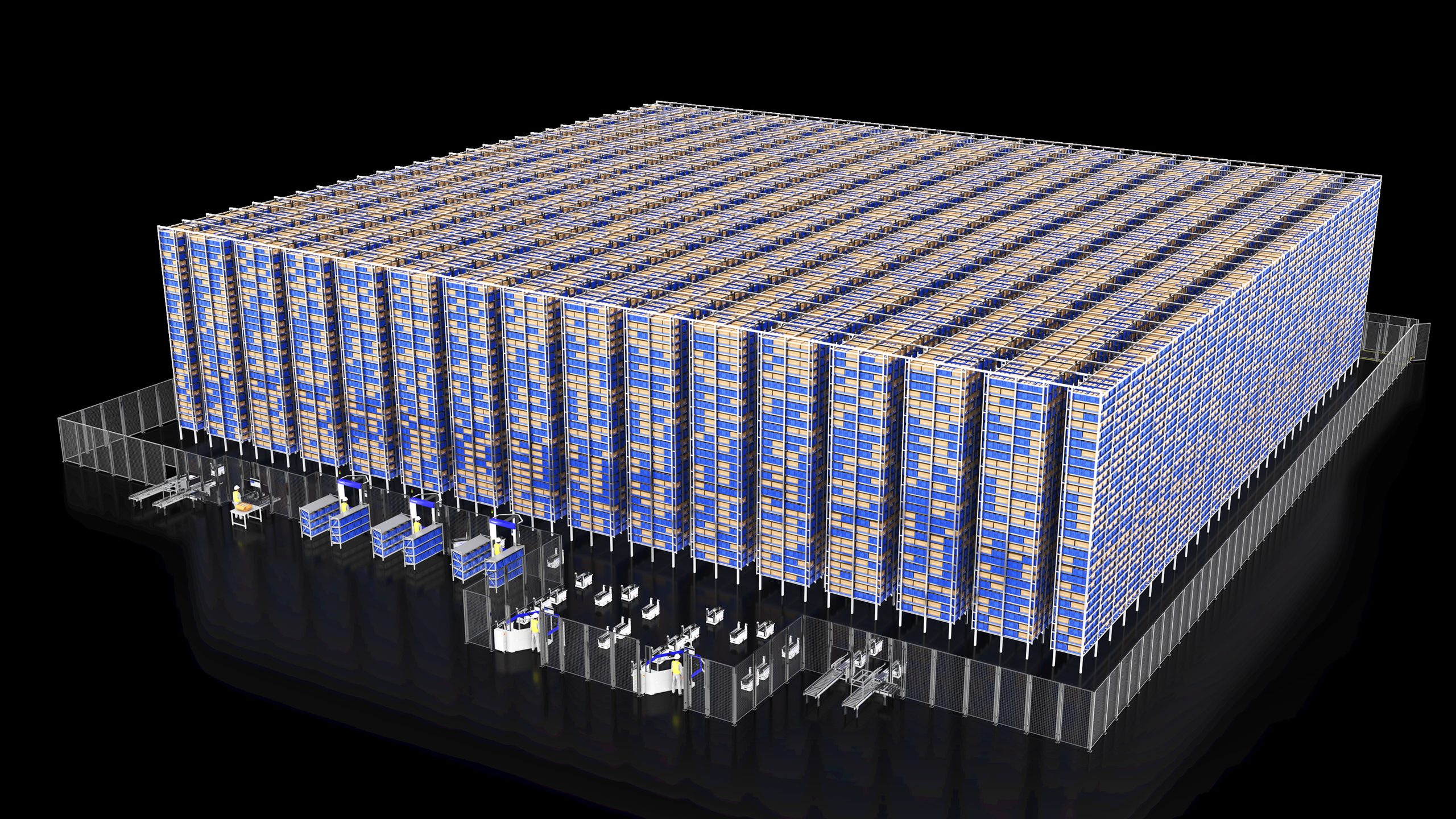
Cutover with zero missed shipments
Phased AMR fleet rollout across three shifts, integrated with the client's existing WMS.
Every HaiPick configuration runs on HaiQ software and the same goods-to-person workstations. We choose the one that matches how your stock is stored, picked and shipped, and integrate it into the floor you already run.
A first read, before we have seen your data. The assessment confirms it against your order profile and your building.
You need more storage in the building you have, with a fast go-live and little floor preparation.
HaiPick ClimbGround-level traffic is what holds retrieval up, so the robots need to run above the floor.
HaiPick RailYou want a modular goods-to-person system for totes, cartons and trays on standard racking.
HaiPick System 1Orders mix pallets and bulk goods with totes, and you want them filled in one process.
HaiPick System 2Density comes first, with high throughput from companion robots running goods to the stations.
HaiPick System 3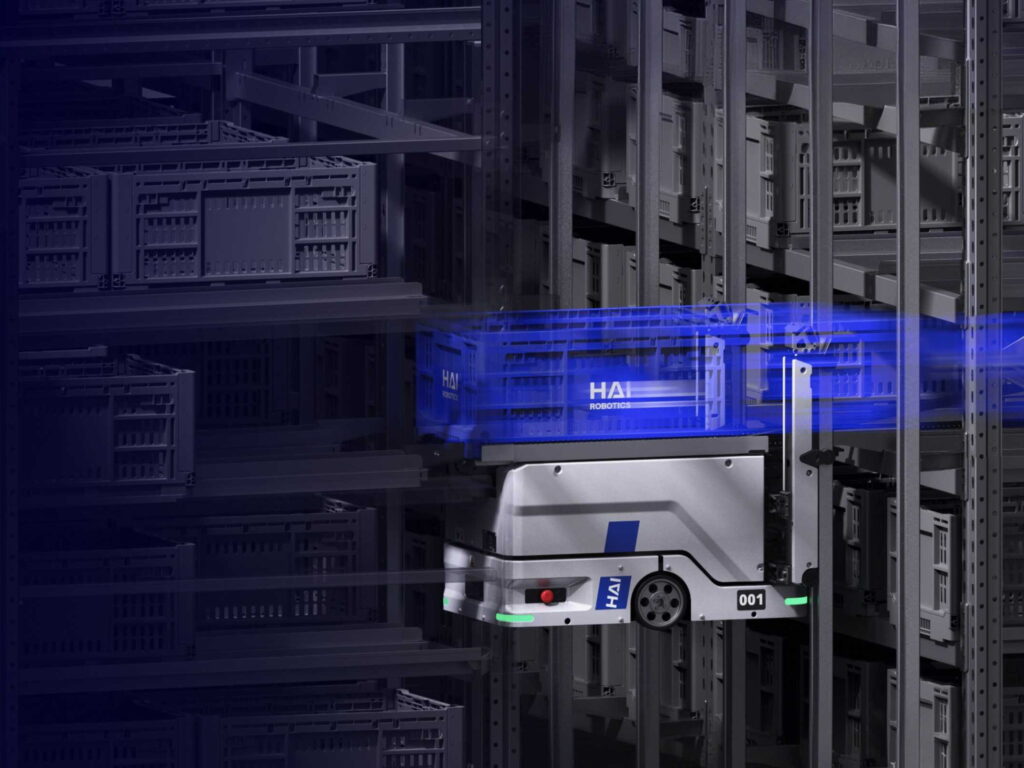
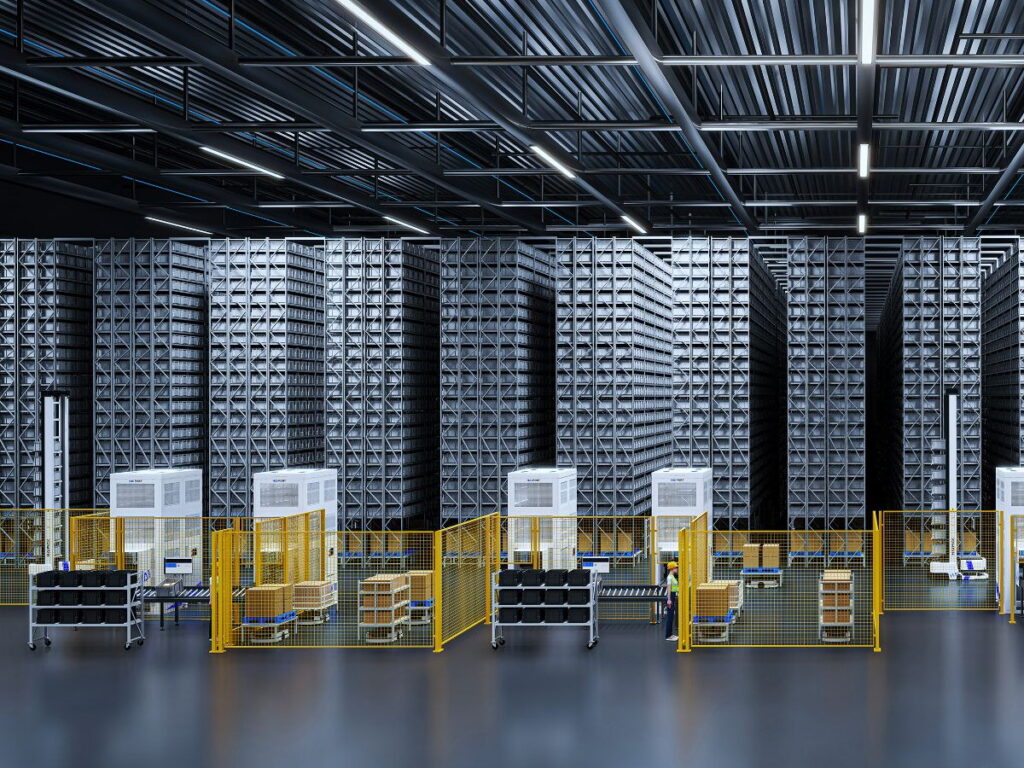
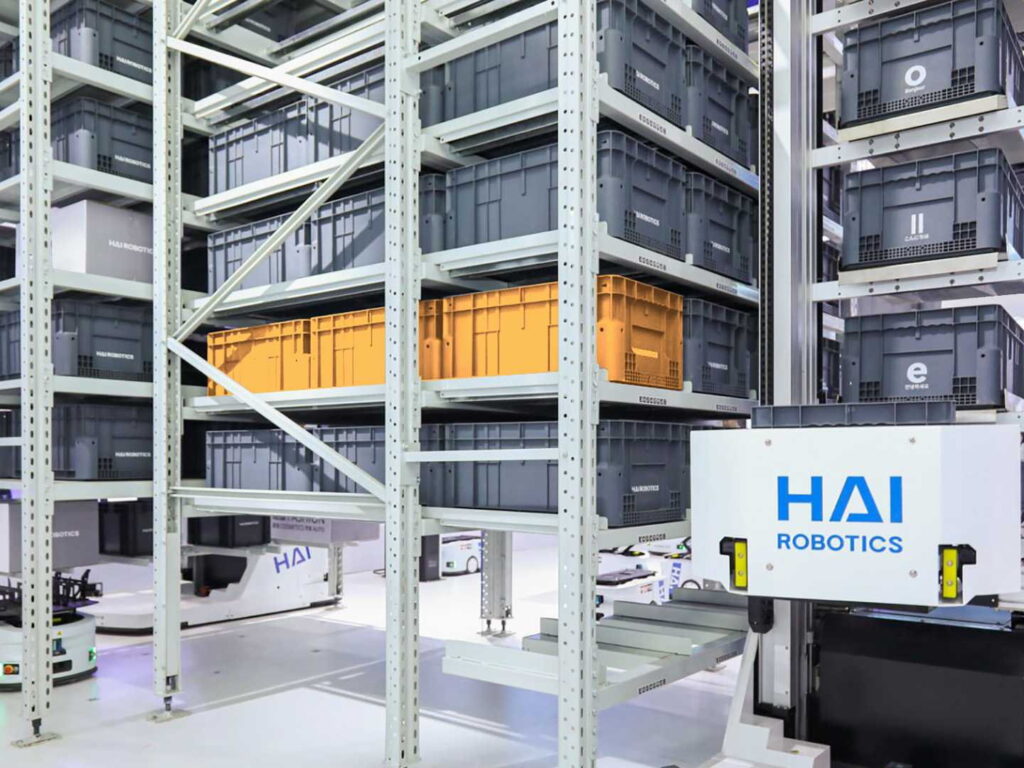
Figures are Hai Robotics' published specifications.
The configurations differ in how they store goods. Underneath, the same four parts do the work.
Robots such as the HaiClimber retrieve totes and cartons straight from the racking and carry them to an operator, so pickers stop walking the aisles.
HaiQ assigns tasks, plans robot paths and prioritises orders as they arrive, and connects to the WMS or WES you already run.
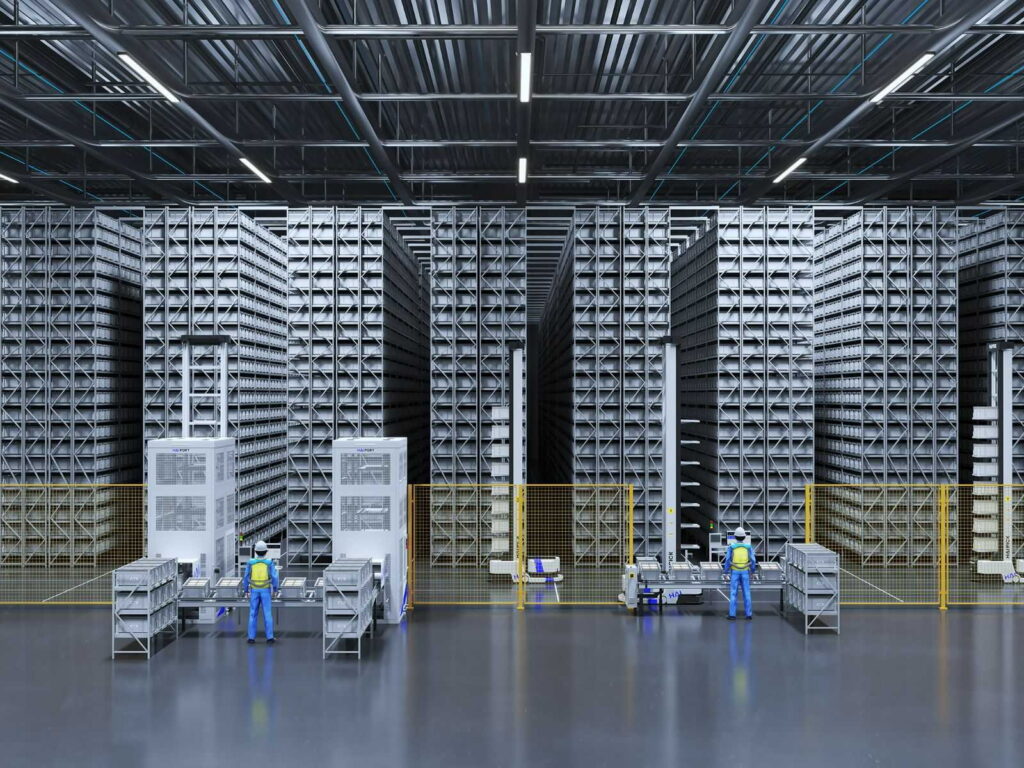
Goods-to-person stations where the tote comes to the operator. Station types can be mixed for picking, put-away and full-case handling.
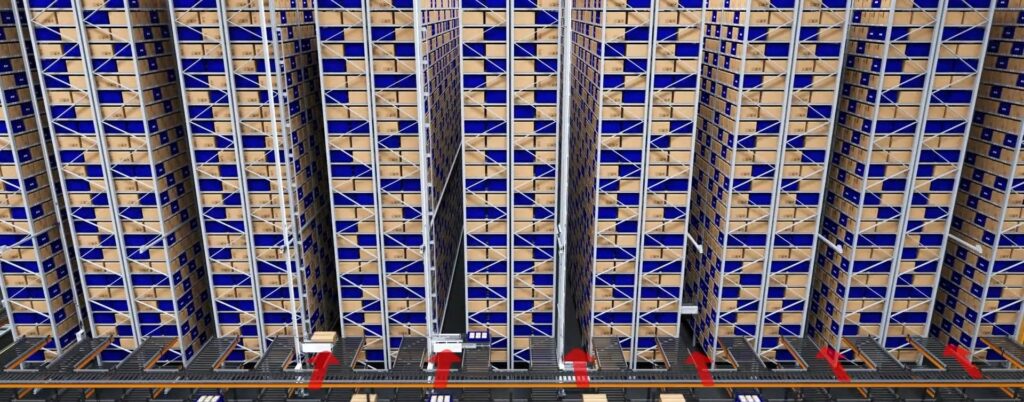
Standard racking in narrow aisles, holding totes, cartons and trays, so storage climbs into the height your building already has.
A sample of facilities we've brought online in the past three years.
Phased AMR fleet rollout across three shifts, integrated with the client's existing WMS.
Replaced manual case-picking with a sortation and robotic-pick line inside an existing 26,000 sqm facility.
Facility detail for this pharmaceutical deployment is still to be confirmed.
We model your business case from your own order profile, SKU count and peak volumes, not generic benchmarks. If the numbers stack, we'll show you exactly how.
Five stages, in order, each one gates the next so nothing gets built against a guess.
We walk the floor, model current throughput, and flag the bottlenecks costing you time.
Layout drawings, discrete-event simulation, and an ROI model you can take to your board.
Sourcing, fabrication, and staging happen off-site, away from your live operation.
Installation is sequenced across shifts and warehouse zones, allowing your team to maintain full outbound operations while the system is brought online.
24/7 remote monitoring and on-site service contracts, with response times written into the SLA.