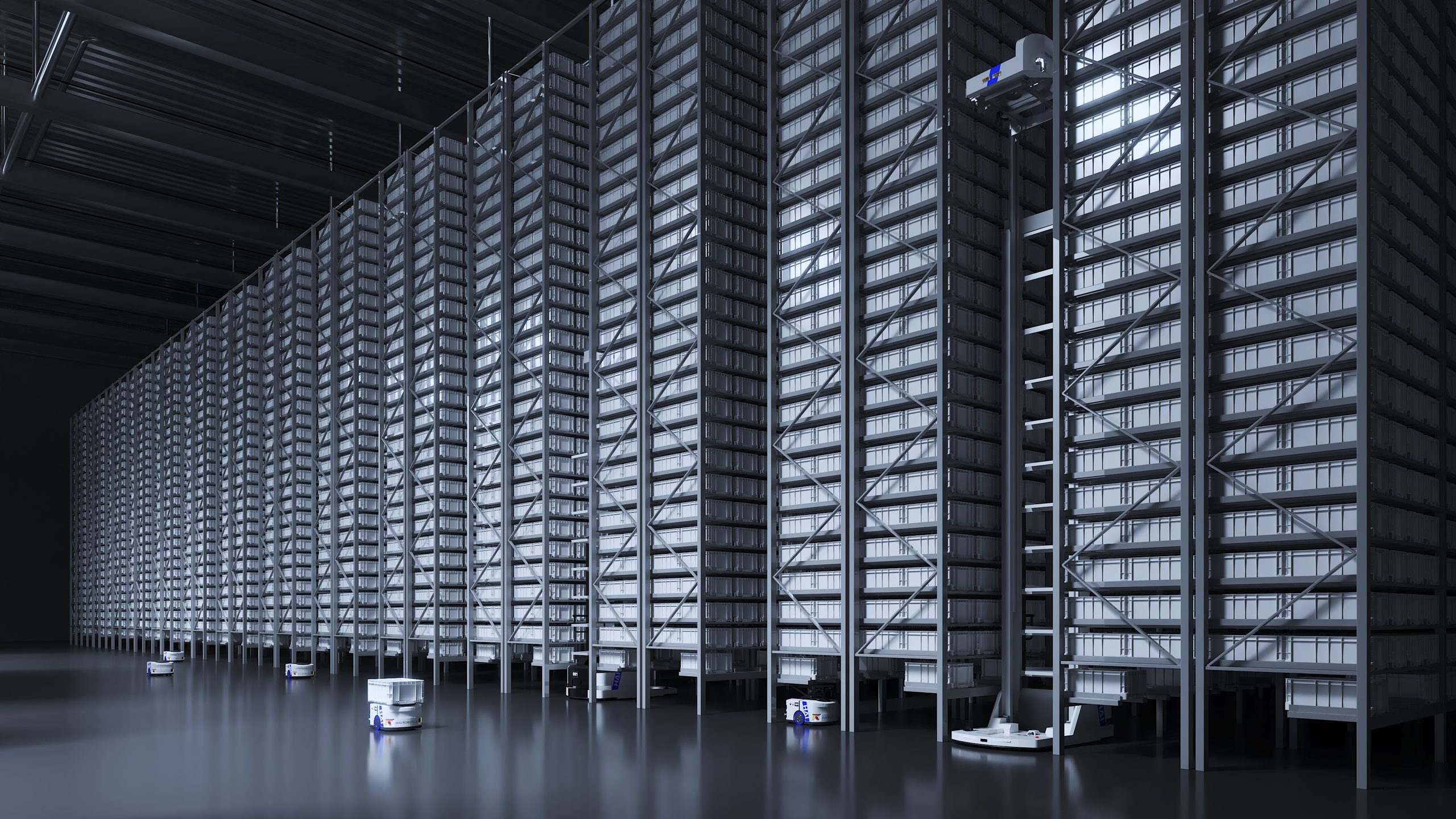
HaiPick System 3
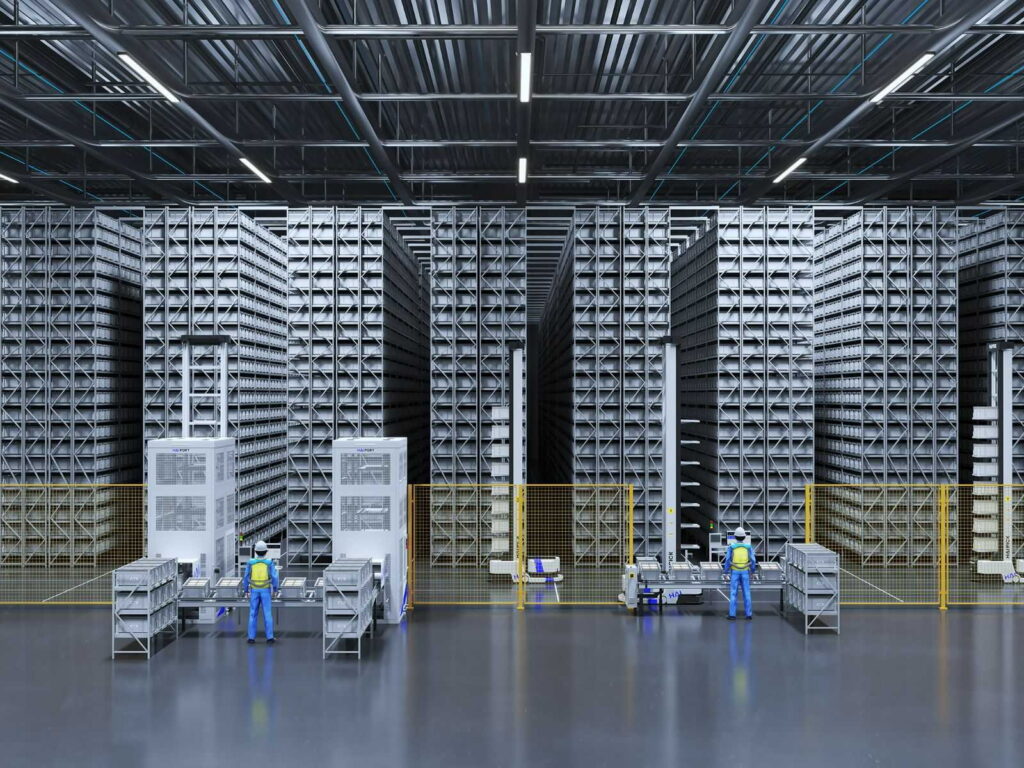
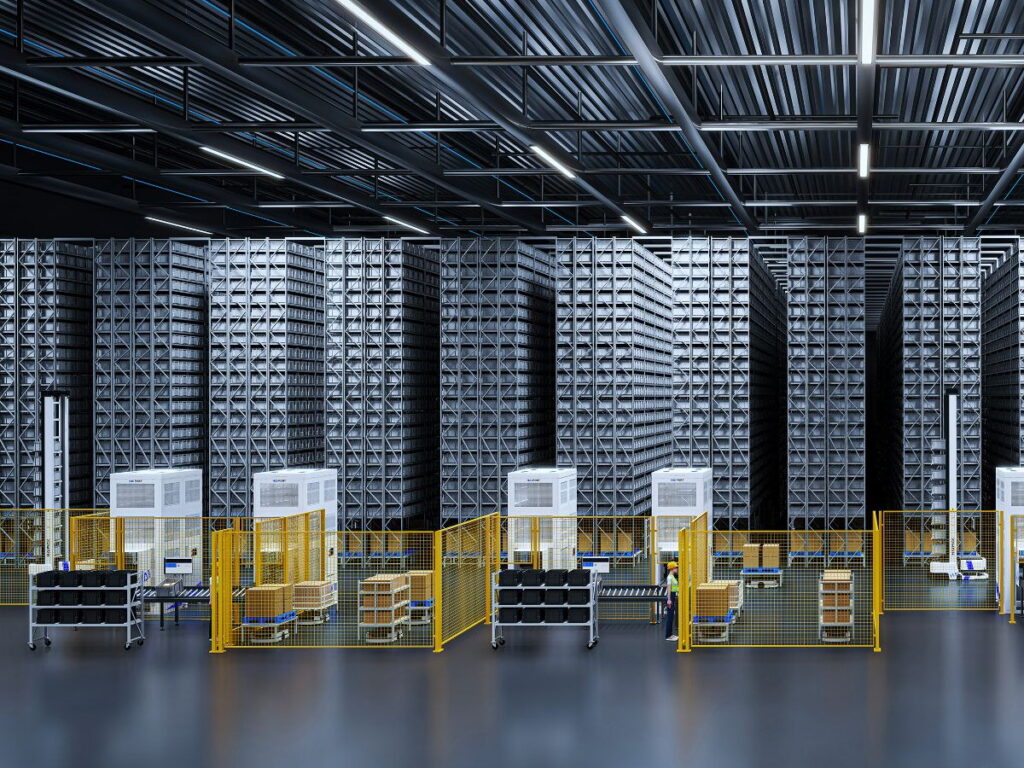
Built for density. Robots stay inside narrow aisles of densely packed racking, while fast companion robots run goods out to the workstations.
Every figure on this page is Hai Robotics' published specification for HaiPick System 3.
How HaiPick System 3 works
HaiPick System 3 splits the job in two. HaiPick robots stay inside the narrow aisles, working racking packed to extreme density, while high-speed companion robots carry the goods from the aisle to the workstations.
Because no single robot has to make the whole trip, retrieval is not limited by travel distance, which is what lets density and throughput rise together.
Storage reaches 12 metres, and fast-moving items are handled by the companion robots for quick order response.
- Very high SKU counts
- Sites where floor space is the constraint
- High-throughput e-commerce
- Fast-moving and slow-moving stock together
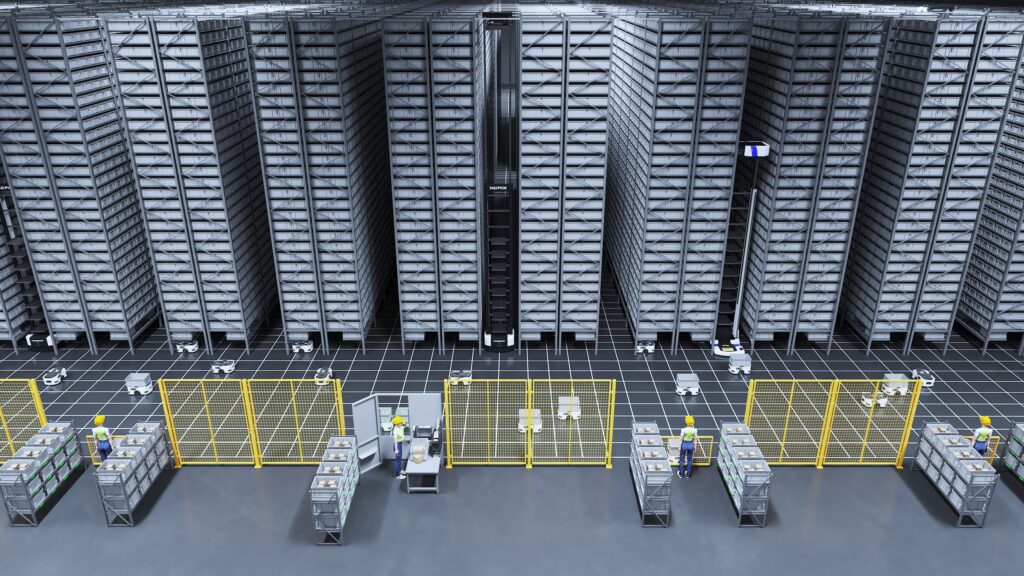
What HaiPick System 3 changes on the floor
Extreme storage density
Up to 43 totes per square metre, in racking up to 12 metres high.
Up to three times the throughput
Companion robots run goods to the stations while the aisle robots keep retrieving.
Fast movers handled fast
High-speed companion robots take the items that turn over most.
Accuracy above 99%
Batch picking of up to nine containers per robot run.
Other configurations on the same platform
They share HaiQ software and the same goods-to-person workstations. The difference is the robots, and how each one stores and moves your goods.
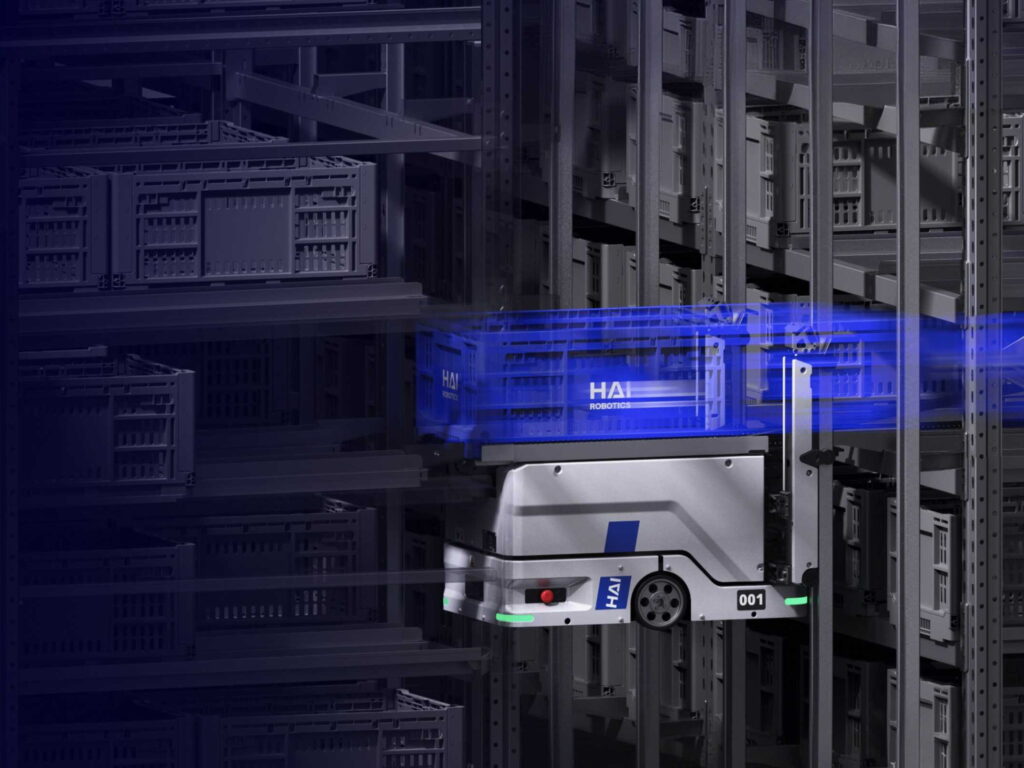
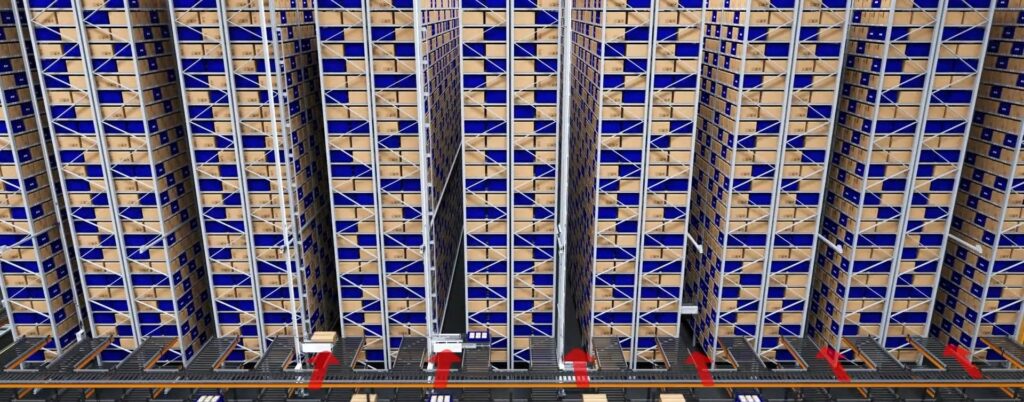
Figures on the cards are Hai Robotics' published specifications.
Explore by industry
Each industry page sets out the pressures that operation runs under, and the configurations we would look at first.


Numbers don't lie.
Your data will prove it.
We model your business case from your own order profile, SKU count and peak volumes, not generic benchmarks. If the numbers stack, we'll show you exactly how.