HaiPick Climb
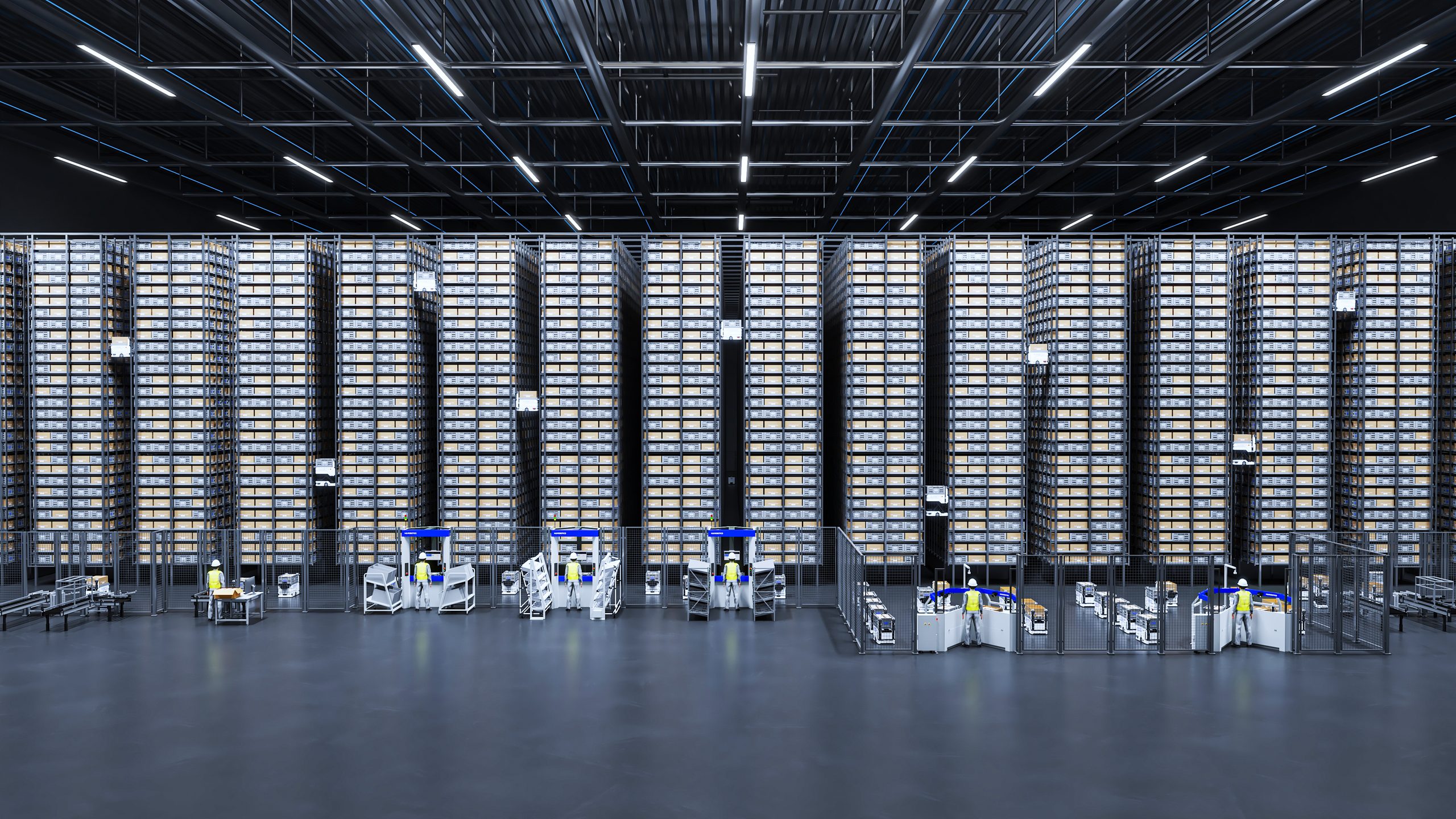
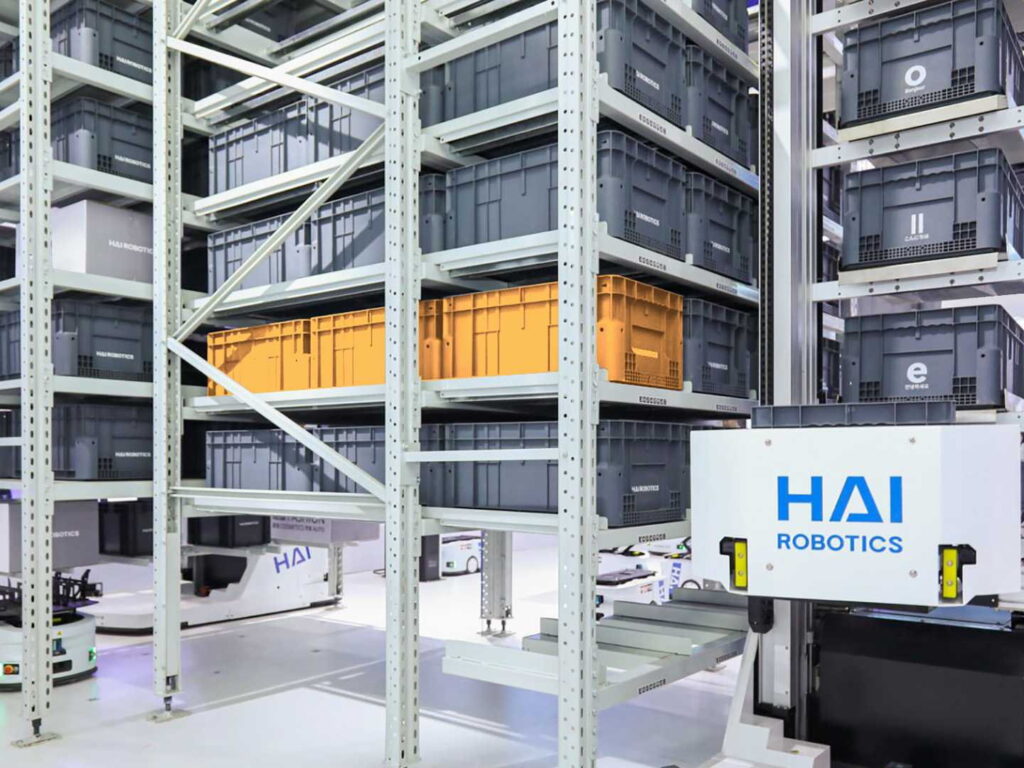
Climbing robots bring totes from racking up to 12 metres straight to your pick stations, so more stock fits in the same footprint and pickers stop walking the aisles.
Every figure on this page is Hai Robotics' published specification for HaiPick Climb.
How HaiPick Climb works
HaiPick Climb is Hai Robotics' simplified automated storage and retrieval system. Compact HaiClimber robots travel beneath and between the racks, climb to any tote position and deliver the tote to a workstation, where the operator picks without taking a step.
It runs on standard cross-bar racking in narrow aisles and needs little floor preparation, which is why it suits a brownfield upgrade as well as a new building. Capacity grows by adding robots, racks or workstations, without redesigning the layout or stopping the system that is already running.
HaiQ software keeps it moving: frequently picked SKUs are stored closer to the workstations, orders are grouped and prioritised as they arrive, and each robot is given the task that keeps its travel shortest.
- High-SKU each picking
- E-commerce and omnichannel fulfilment
- Brownfield sites short on floor space
- Operations that expect to scale in stages
What HaiPick Climb changes on the floor
More storage in the same building
Double-deep racking in narrow aisles holds up to 45,000 totes per 1,000 sqm, turning unused height into stock positions.
Throughput that holds at peak
Totes reach the workstation in under two minutes, at up to 4,000 totes an hour from 1,000 sqm.
Quick to put in
Minimal infrastructure preparation, so the system fits a brownfield site and a new warehouse alike.
Grows in stages
Add robots, racks or workstations as volumes rise, without disrupting what is already running.
Other configurations on the same platform
They share HaiQ software and the same goods-to-person workstations. The difference is the robots, and how each one stores and moves your goods.
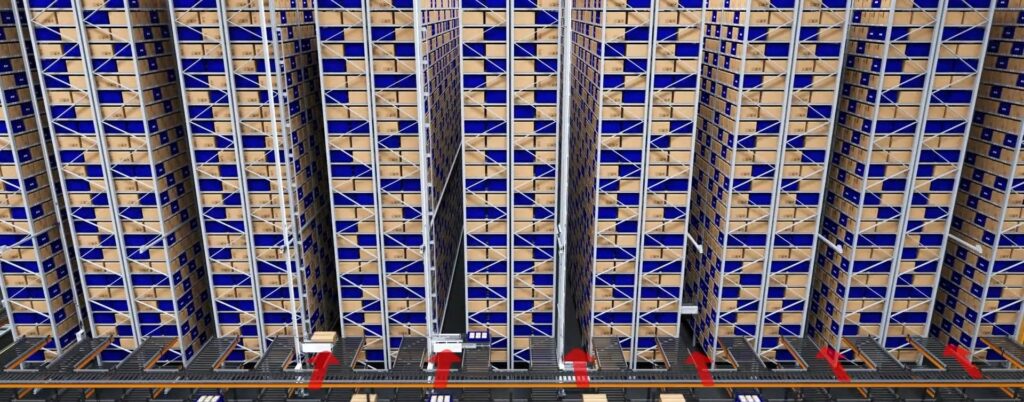
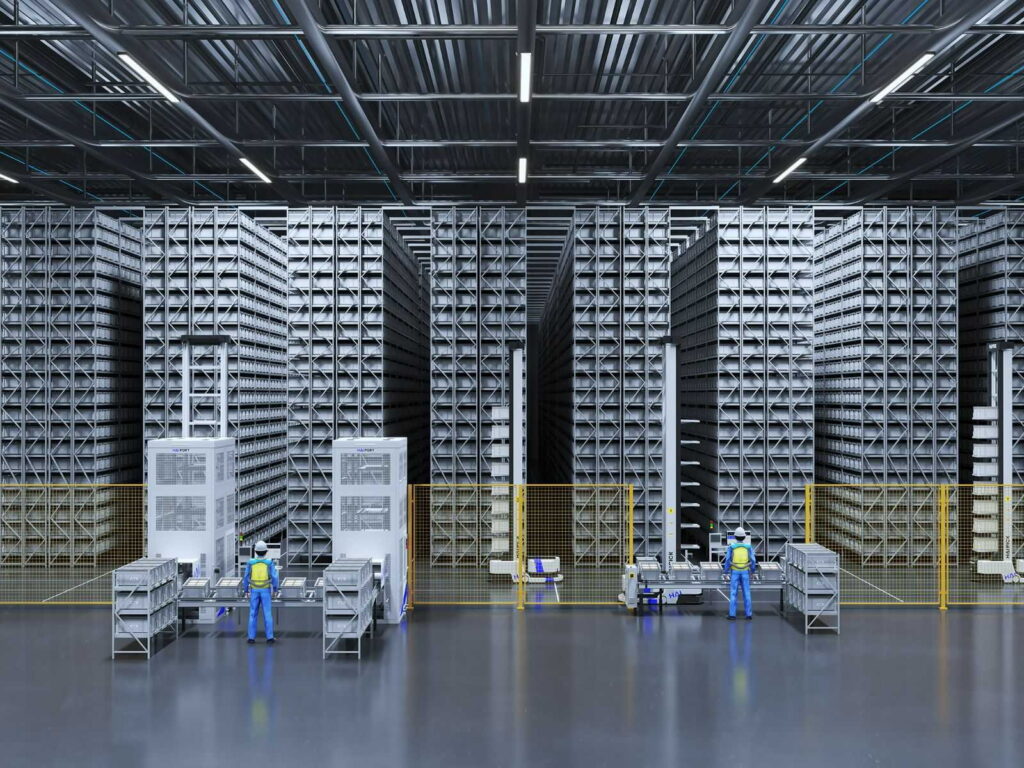
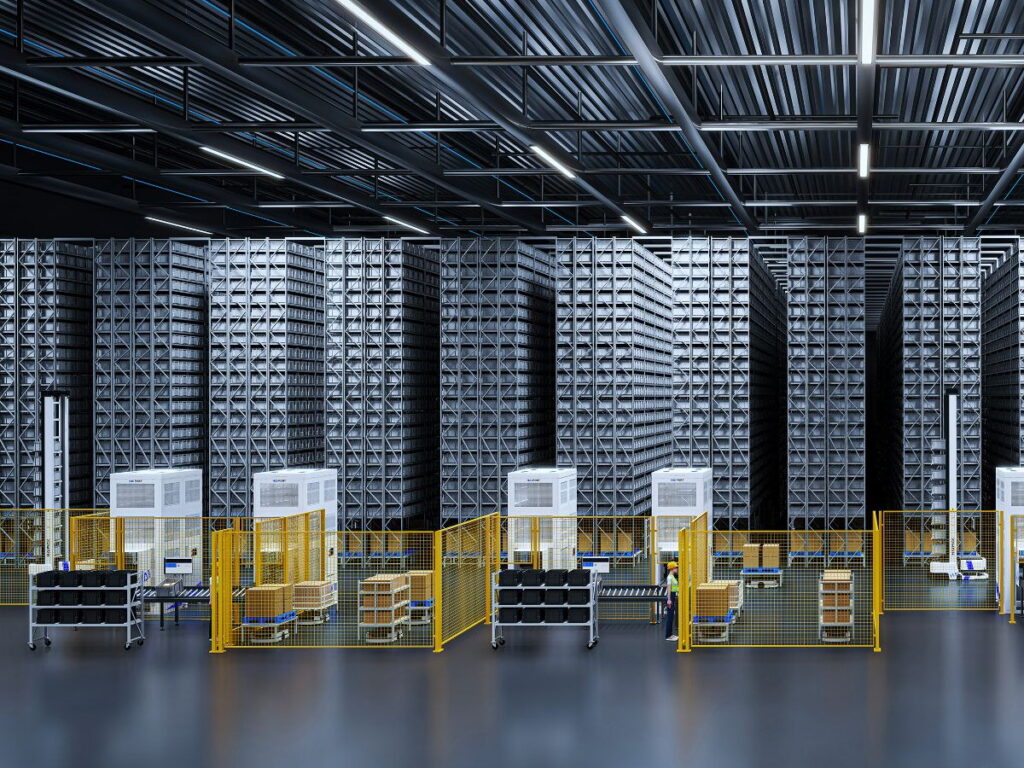
Figures on the cards are Hai Robotics' published specifications.
Explore by industry
Each industry page sets out the pressures that operation runs under, and the configurations we would look at first.


Numbers don't lie.
Your data will prove it.
We model your business case from your own order profile, SKU count and peak volumes, not generic benchmarks. If the numbers stack, we'll show you exactly how.